
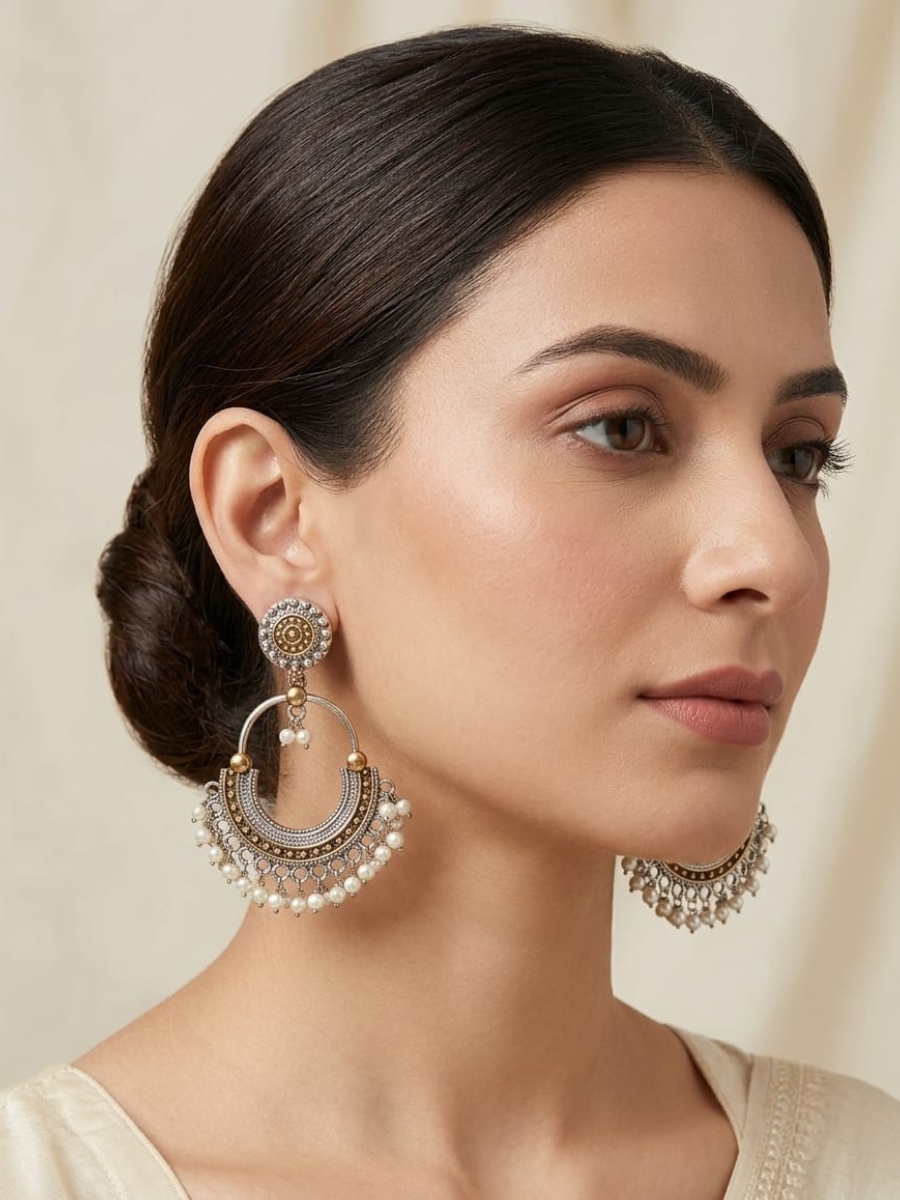
Silver Plated Dual Tone Oxidised Chandbali Earrings
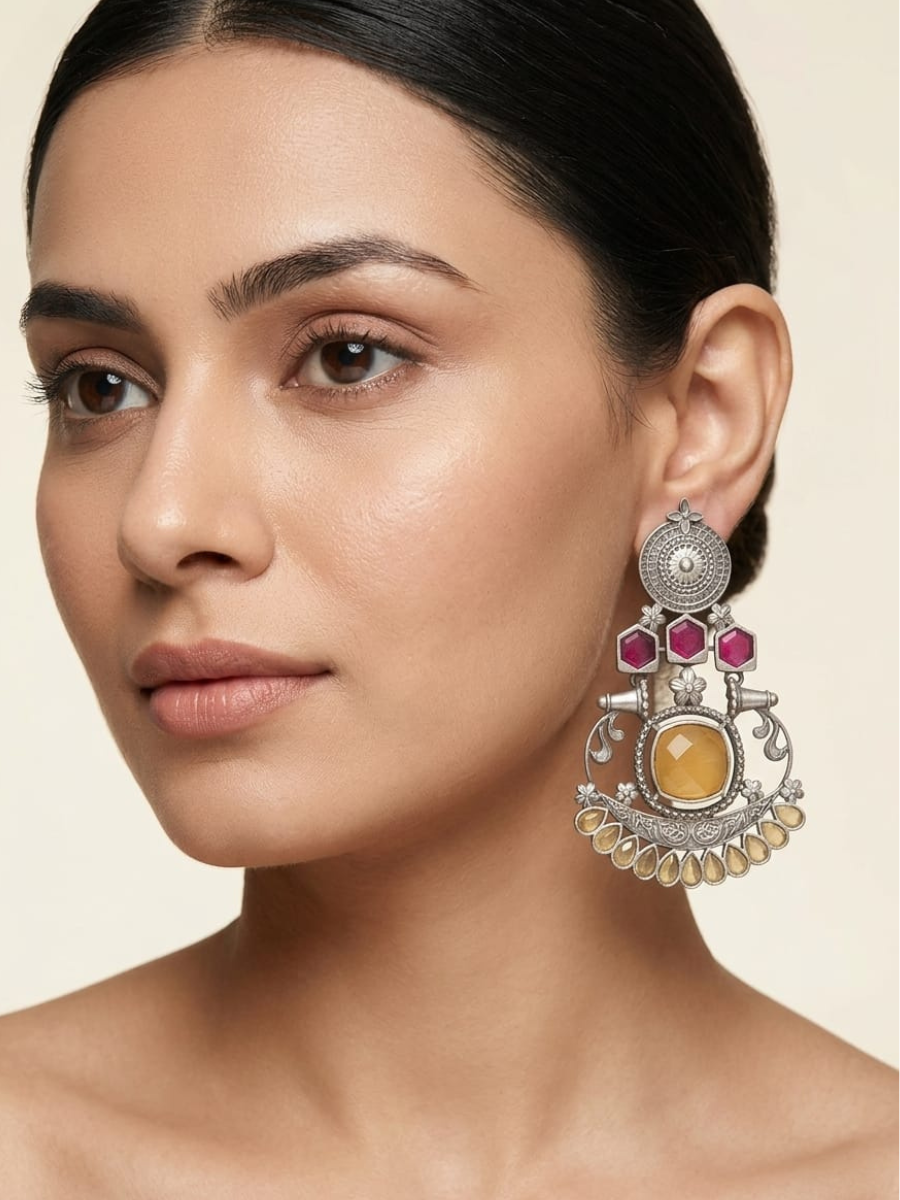
Yellow and Pink Stones Studded Oxidised Silver Drop Earrings


Oxidised Silver Floral Ring with Pink Stone
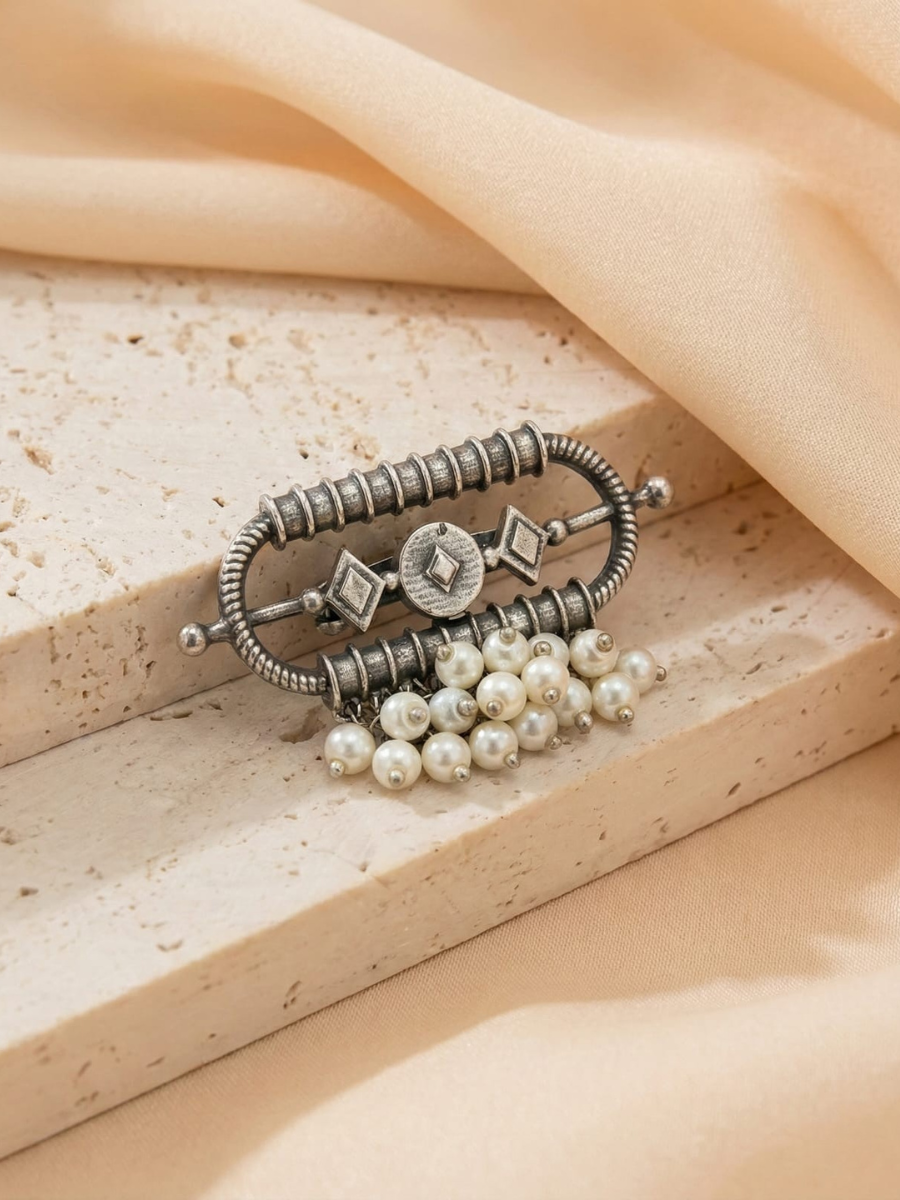
Designer Oxidised Silver Pearl Drip Statement Ring
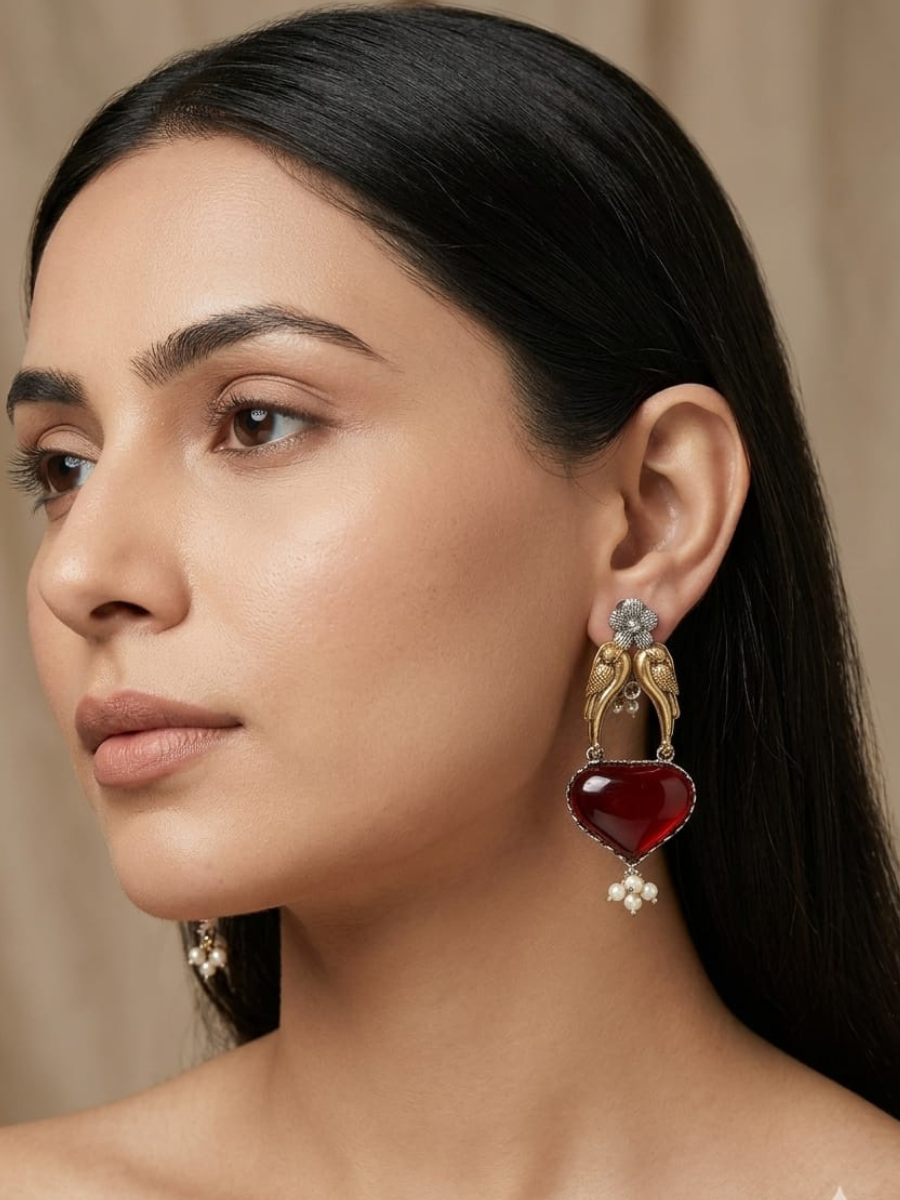
Ruby Red Monalisa Stone Dual Tone Oxidised Stud Earrings
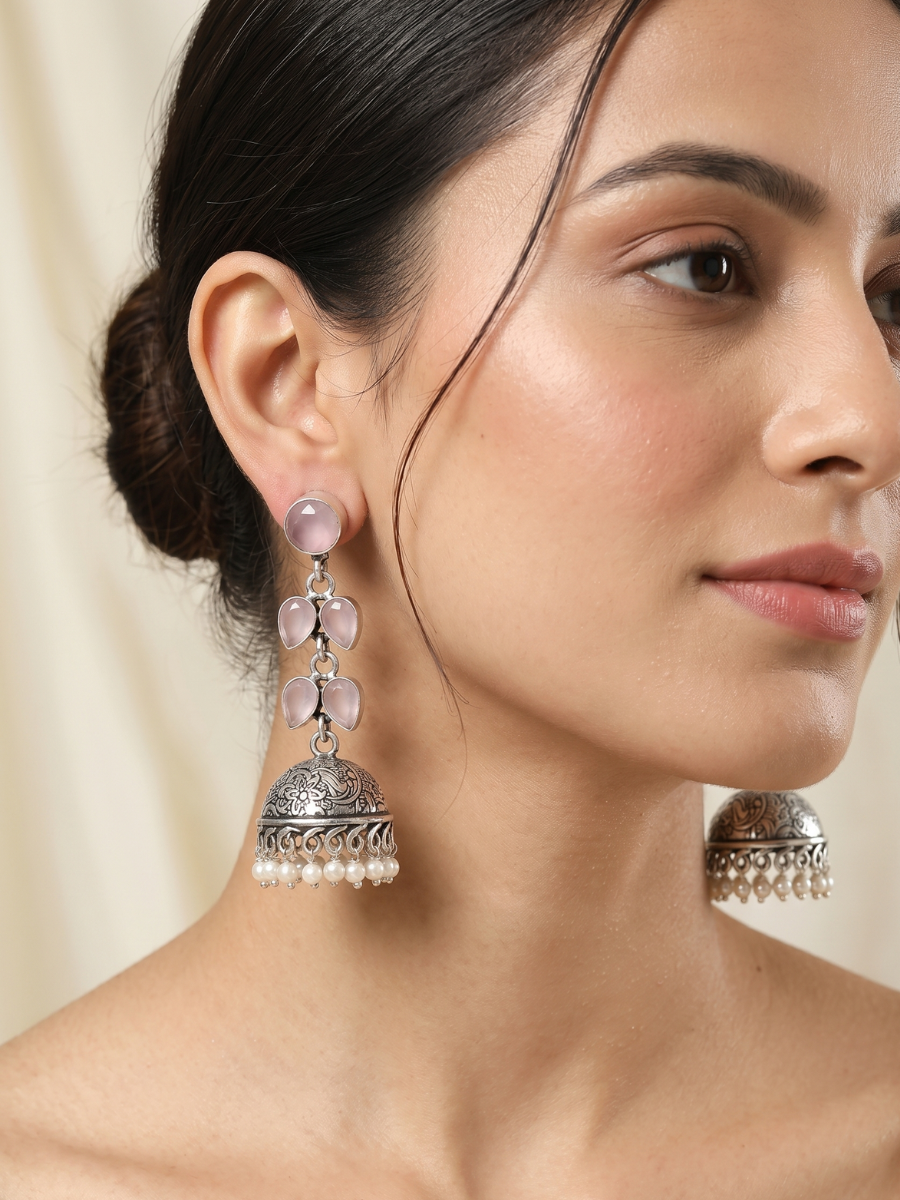
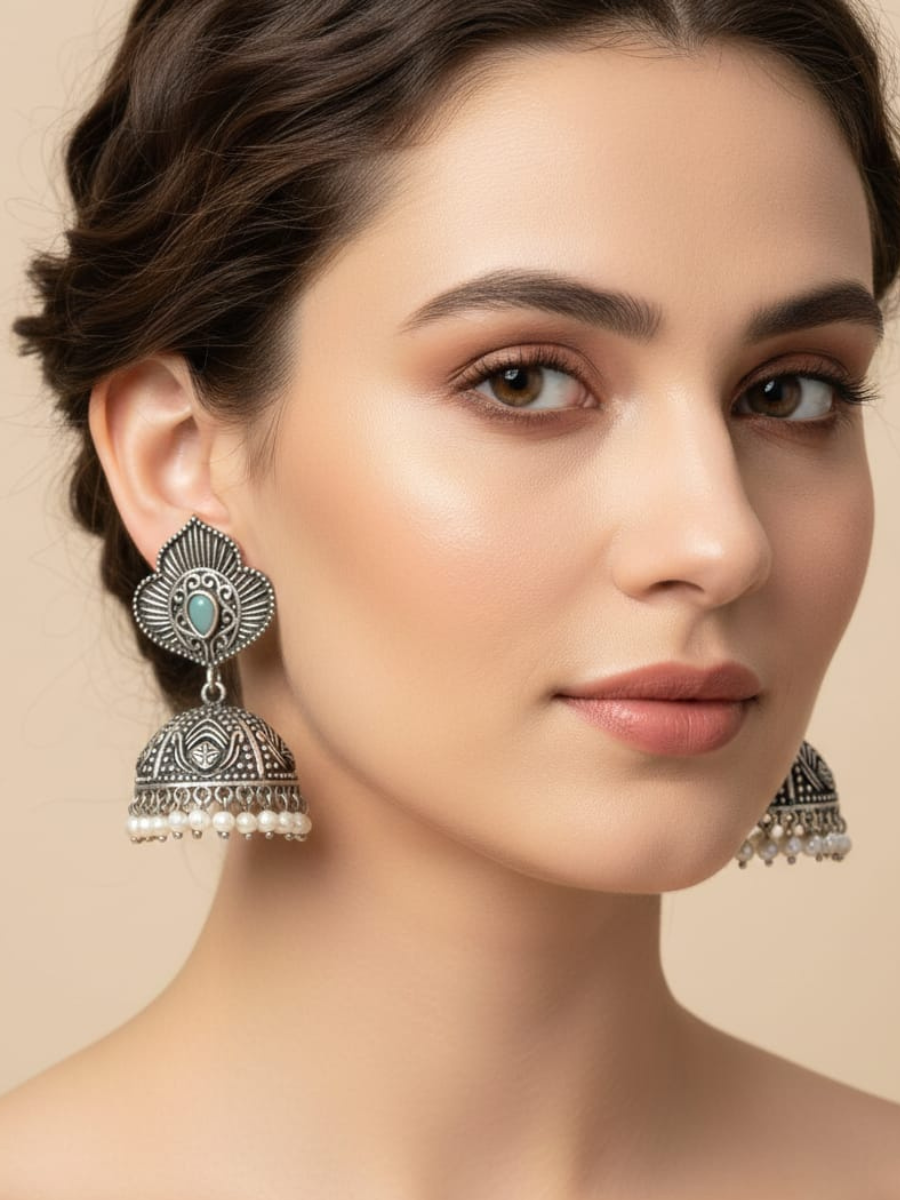
Elegant Baby Pink Stones Oxidised Silver Drop Jhumka Earrings
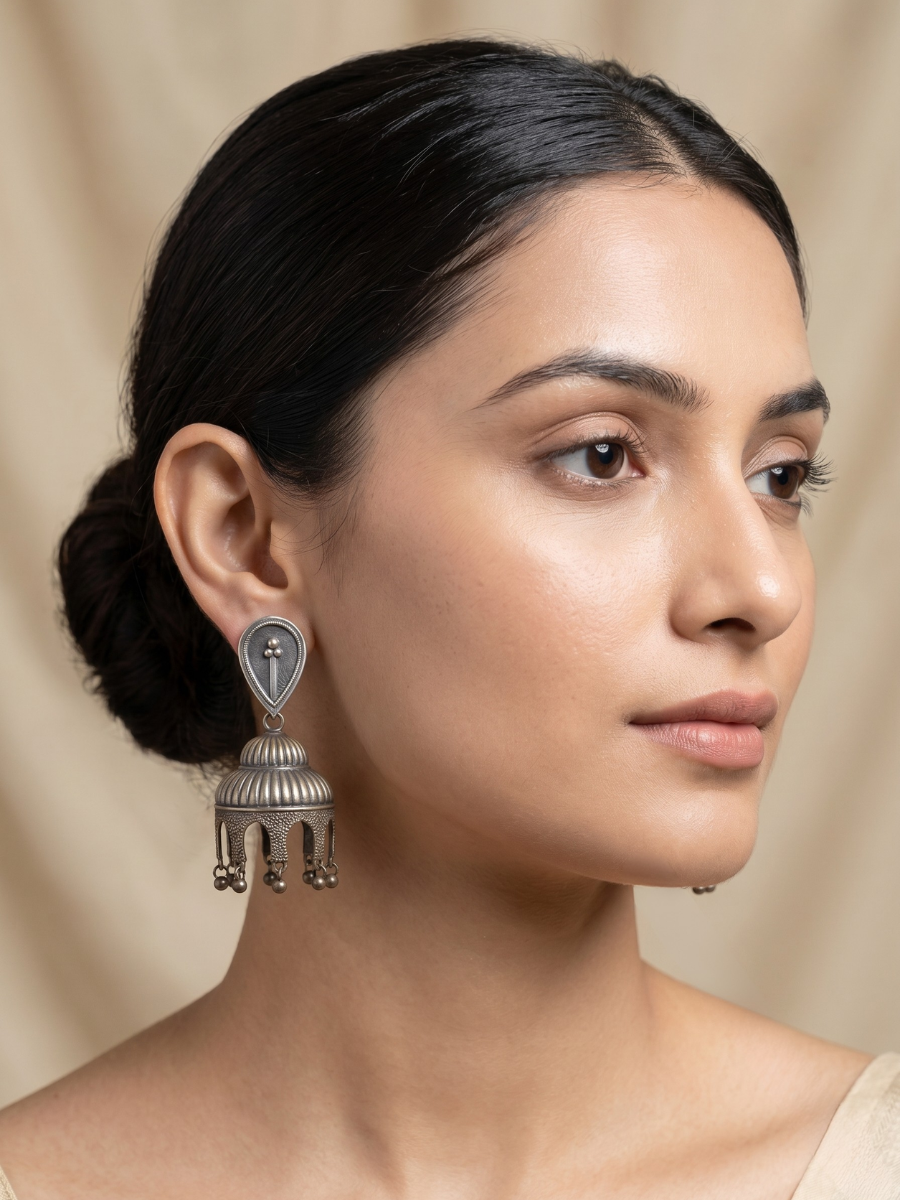
Antique Bell Shaped German Silver Oxidised Jhumka Earrings
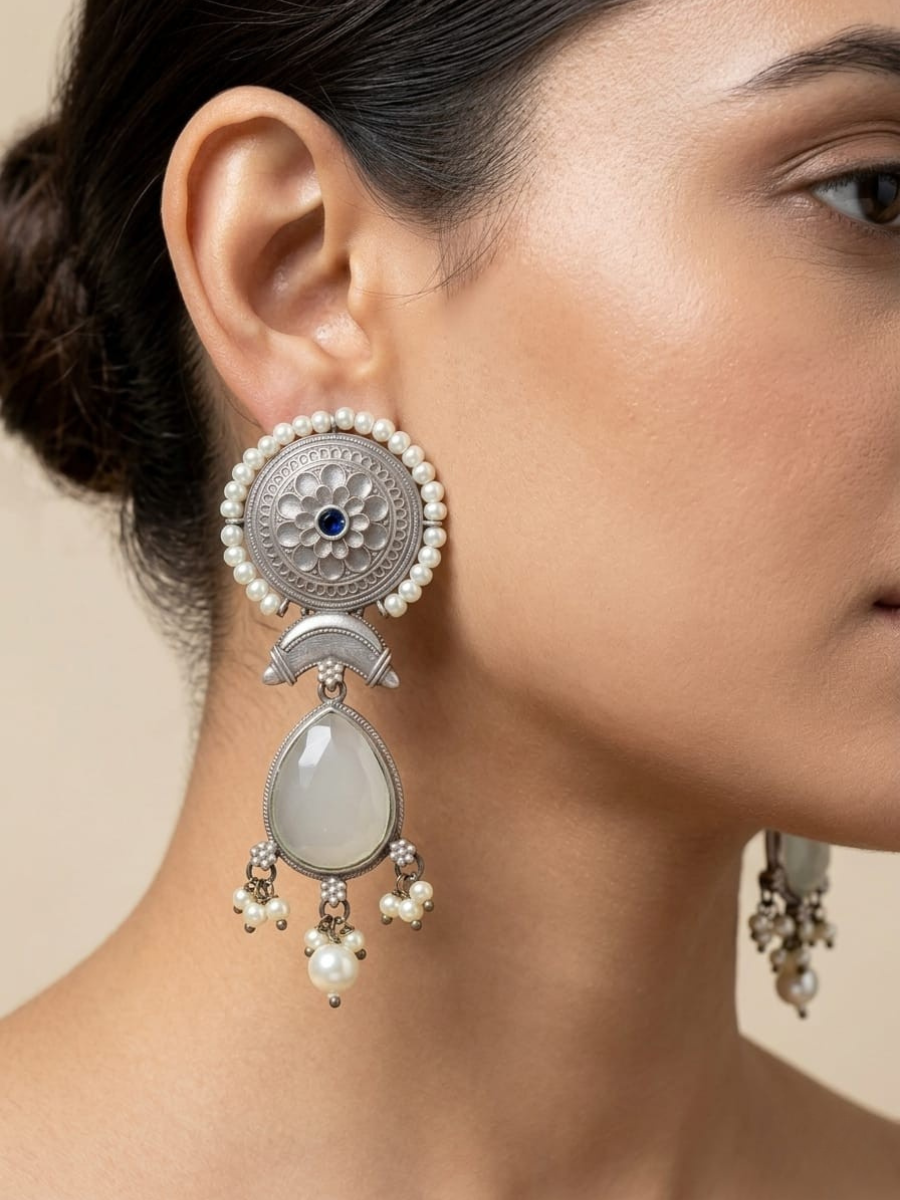
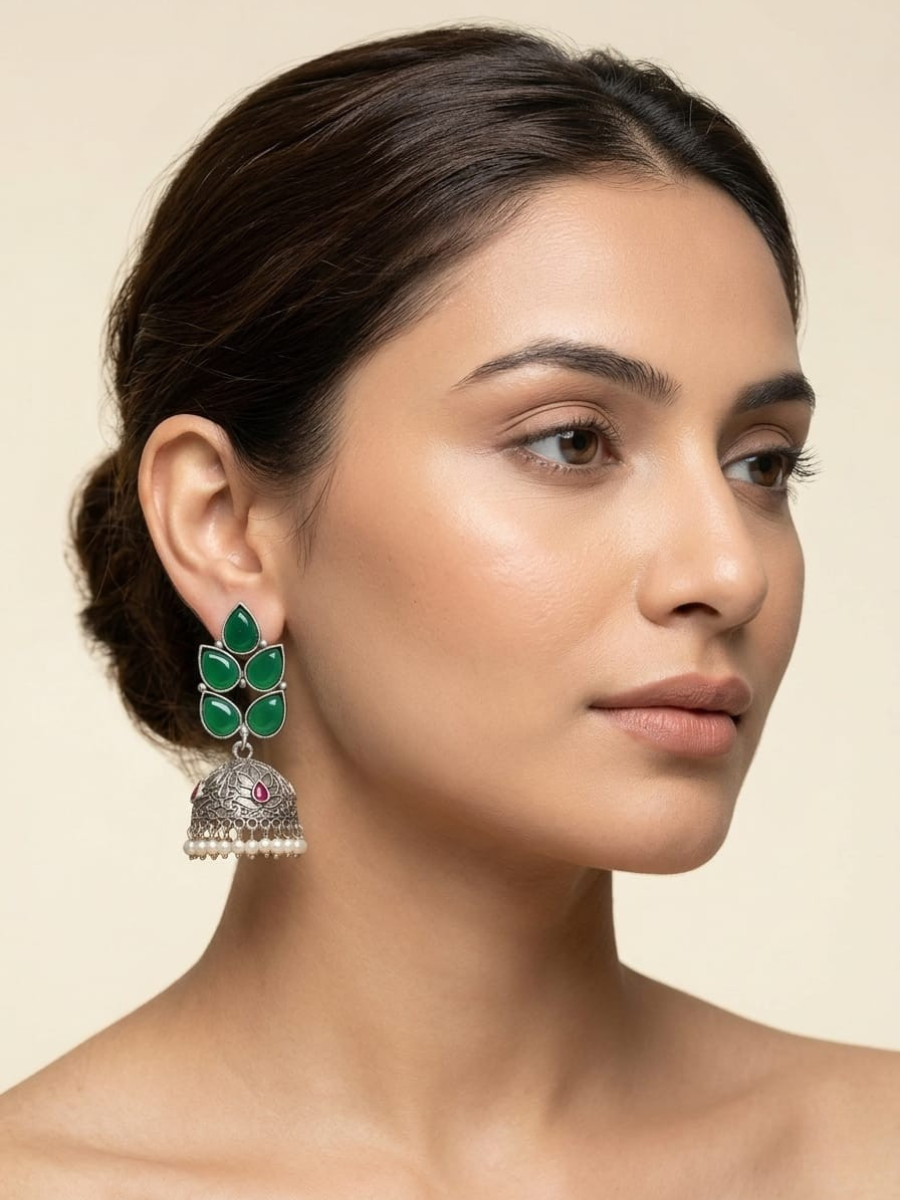
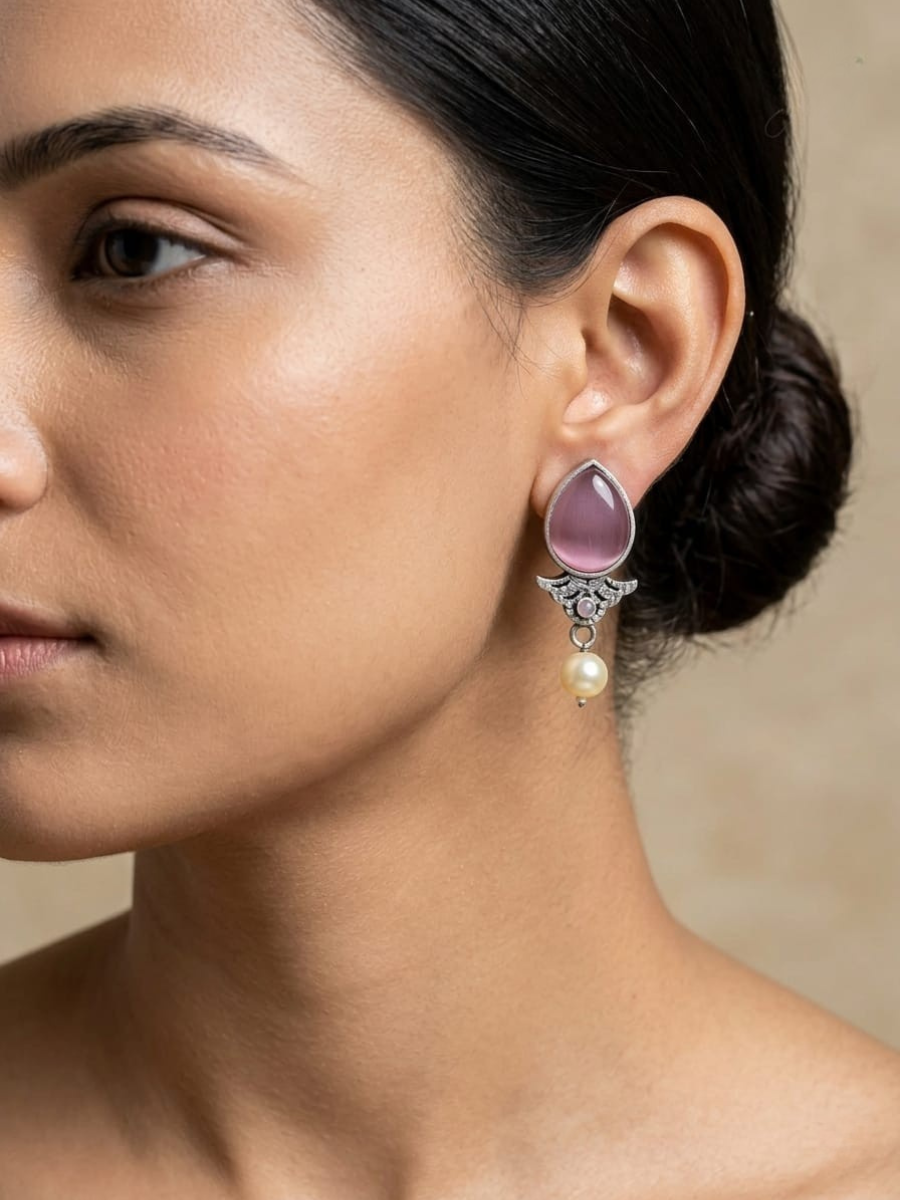
Oxidised Jewellery
Oxidised jewellery has been India's most loved ethnic accessory for decades, and in 2026, it's having its biggest moment yet. Whether you're pairing it with a cotton saree, a mirror-work kurti, or a breezy Indo-western co-ord, the deep silver-black finish of oxidised silver jewellery adds that effortlessly pulled-together look nothing else can. At The Jewel Box, every piece is crafted in premium German silver with an oxidised finish — made to last, priced for real life, and designed for Indian women who know exactly what they want.
From oxidised jhumkas that swing just right, to oxidised necklace sets that do the heavy lifting for festive season — shop our full collection of oxidised jewellery online with free shipping above ₹999 and Cash on Delivery available across India.
What is Oxidised Jewellery? The Classic Indian Metal You Need to Know
If you've ever wondered about the oxidised jewellery meaning, here's the short answer: it's metal jewellery — usually silver or a German silver alloy — that has been deliberately treated with chemicals or heat to create a darkened, antique-looking finish. The result is that beautiful black-on-silver contrast you see on intricate jhumkas, temple necklaces, and Rajasthani bangles.
How is Oxidised Jewellery Made?
The process typically involves exposing the metal to a chemical oxidising agent (like liver of sulphur or ammonia fumes) that accelerates the natural tarnishing process in a controlled way. Skilled artisans then selectively polish raised areas — leaving the recessed parts dark — to create the dramatic high-contrast finish that makes every piece look handmade and heritage-inspired. That's why handmade oxidised jewellery looks so much richer than regular fashion jewellery.
Silver Oxidised vs. Gold Oxidised - What's the Difference?
At The Jewel Box, we offer both silver oxidised jewellery (the classic dark finish on a silver-tone base) and oxidised gold jewellery or dual-tone oxidised jewellery — pieces that combine a gold-plated base with selective oxidised detailing. Both are crafted in German silver (an alloy of copper, zinc, and nickel) rather than pure silver, which keeps them affordable without compromising on the look.
Shop Oxidised Jewellery by Type
Whether you're building your ethnic jewellery wardrobe from scratch or adding to an already-solid collection — this is where you start.
Oxidised Earrings - From Daily Studs to Statement Jhumkas
Our oxidised earrings range is the heart of the collection. You'll find everything from tiny oxidised studs that work with your office outfit to dramatic oxidised jhumkas that make sarees come alive. The oxidised jewellery jhumka is particularly popular — especially the big Kashmiri-style bells and antique Rajasthani jhumka designs with stone studding. For a festive look that's not too OTT, try our oxidised chandbali earrings — they work beautifully with everything from tissue sarees to anarkali suits.
Oxidised Necklaces & Chokers - Bold, Layered & Statement-Making
An oxidised jewellery necklace is the piece that transforms a plain kurta into a proper ethnic look. Our oxidised necklaces range includes long temple-style layered pieces, short oxidised necklace sets with matching earrings, and trending oxidised chokers that sit beautifully on a round neckline or a deep V. The oxidised choker jewellery pieces in our collection work as standalone statement items — no earrings needed.
For longer silhouettes, explore our long oxidised necklaces — ideal for pairing with simple block-print sarees or plain kurtas where you want the jewellery to be the story.
Oxidised Jewellery Sets - Because Matching Matters
The oxidised jewellery set category is our fastest-growing one — and for good reason. A well-matched set (necklace + earrings, or necklace + earrings + maangtika) means zero styling stress, especially when you're dressing up in a hurry. We carry silver oxidised jewellery sets, gold oxidised jewellery sets, and dual-tone oxidised jewellery sets to match every outfit palette.
Oxidised Bangles & Kadas - Wrist Stack Goals
Stacking oxidised jewellery bangles is one of the easiest ways to elevate any ethnic look. Our oxidised bangles come in classic round kadas, slim ghungroo bangles with tiny bells, and embossed stone-studded styles in ruby, green, and blue stones. They stack well with each other and with plain gold or silver bangles — for that layered wrist look that's all over Instagram right now.
Oxidised Rings, Anklets & More
Complete the look. Our oxidised rings are adjustable, comfortable for daily wear, and come in intricate designs — from peacock motifs to karma rings and kolhapuri-style gunghroo rings. Don't forget oxidised anklets — a small detail that makes a big difference when you're wearing a saree or lehenga. We also carry oxidised nose pins and oxidised maang tikka to complete your full ethnic look.
6. Oxidised Ankltes
Let your ankles do the talking with boho-style german silver oxidised anklets. Think tribal charms, tiny bells, and vintage vibes. Perfect with skirts, sarees, or even beachwear.
How to style Oxidised Jewellery: A Real Guide for Indian Women
One of the biggest search questions we see is 'how to wear oxidised jewellery' or 'how to pair oxidised jewellery' with different outfits. Here's what actually works — no generic fashion advice, just real styling for Indian wardrobes.
Oxidised Jewellery with Saree
The oxidised jewellery with saree combination is practically timeless. The dark silver finish contrasts beautifully with rich saree fabrics, especially:
• Pink sarees: Oxidised jewellery with pink saree — opt for ruby-stone-studded jhumkas or a mirror-work necklace. The warm stones pop against pink, and the dark metal keeps it grounded.
• Green sarees: Oxidised jewellery with green saree — go for stone-free oxidised pieces or green-stone accents. A long oxidised necklace over a Banarasi green saree is a seriously underrated look.
• Blue sarees: Oxidised jewellery with blue saree — blue-stone-studded chandbali earrings or a gungroo necklace work beautifully.
• Silk sarees: Silk saree with oxidised jewellery — keep the jewellery statement but clean. A single bold necklace or a pair of heavy chandbalis, not both.
• Traditional/golden sarees: Golden oxidised jewellery with saree — our dual-tone oxidised pieces (gold + oxidised) are perfect for heavily embroidered sarees.
Oxidised Jewellery with Kurtis
The oxidised jewellery with kurti pairing is everyday gold. A simple cotton kurti becomes a statement look the moment you add the right oxidised piece. Our recommendation:
• For printed kurtis — keep jewellery minimal: a simple oxidised jewellery piece like small jhumkas or a thin oxidised chain works perfectly.
• For plain or solid-colour kurtis — this is where you let a heavy oxidised jewellery piece or a full oxidised jewellery set shine.
• For fusion kurtis (denim, contemporary cuts) — try modern oxidised jewellery like geometric rings, slim oxidised chokers, or minimal stone danglers.
Also see our Afghani necklaces and Afghani earrings for the most-searched tribal oxidised styles that work brilliantly with kurtis and ethnic fusion looks.
Oxidised Jewellery for Navratri
No jewellery category gets searched more during Navratri than oxidised jewellery for Navratri. The nine-night festival is practically made for it — the bold tribal shapes, the coloured stones, the dancing-friendly weight that won't hurt your ears through an evening of garba. Our top Navratri picks:
• Large oxidised jhumkas with coloured stone drops (red, green, blue)
• Full oxidised jewellery sets for colour-coordinated daily Navratri looks
• Stacked oxidised bangles — ghungroo and stone styles together
• Light but bold oxidised chokers that stay comfortable through the dance
Types of Oxidised Jewellery at TheJewelbox
By Metal Finish
• Silver Oxidised Jewellery: The classic. German silver alloy with a full oxidised finish — the darkest, most dramatic look. Best for heavy ethnic and traditional styling.
• Black Oxidised Jewellery: A deeper, near-matte black finish — popular for black oxidised earrings and black oxidised jewellery sets. Excellent with black, white, or monotone outfits.
• Oxidised Gold Jewellery: Gold-plated base with oxidised detailing — warm tones that work with bridal, festive, and winter outfits.
• Dual Tone Oxidised Jewellery: A combination of gold and oxidised silver on a single piece. More versatile — pairs well with outfits that mix warm and cool tones.
• German Silver Oxidised Jewellery: Pure German silver (also called oxidised metal jewellery or sometimes oxidised copper jewellery) — the most popular base for Indian ethnic jewellery.
By Style
• Antique Oxidised Jewellery: Pieces with a pronounced aged or heritage look — heavier, more intricate, with stone or bead detailing.
• Modern Oxidised Jewellery: Cleaner geometric cuts, simpler silhouettes. Think minimalist oxidised hoops, thin oxidised chains, or abstract pendants.
• Tribal Oxidised Jewellery: Inspired by Rajasthani, Afghani, and Kundan traditions — bold, large-format, with strong motifs like elephants, peacocks, and florals.
• Simple Oxidised Jewellery: Everyday pieces that look intentional without being heavy. Perfect for office, college, or casual outings.
• Kundan Oxidised Jewellery: Combines the tradition of kundan stone-setting with the oxidised finish — beautiful for wedding-adjacent events.
• Temple Oxidised Jewellery: South Indian-inspired motifs — deities, lotuses, Lakshmi designs — executed in the oxidised finish.
• Oxidised Mirror Jewellery: Features tiny mirror-work inlays — very popular for Rajasthani-themed outfits and Navratri.
How to Clean and Care for Oxidised Jewellery
Two of the most-searched questions about this category are 'how to clean oxidised jewellery' and 'how to clean oxidised jewellery at home' — and the answer is simpler than you think.
Cleaning Oxidised Jewellery at Home (Step-by-Step)
• Use a dry, soft cloth: After every wear, gently wipe your oxidised jewellery with a soft, lint-free cloth. This removes body oils and sweat before they dull the finish.
• Mild soap + toothbrush for deeper cleaning: Mix a tiny drop of dish soap in lukewarm water. Dip a soft-bristled old toothbrush and gently scrub the surface. Rinse quickly and pat dry immediately — never soak.
• Never use harsh chemicals: Avoid silver polish, acidic cleaners, or ultrasonic cleaners. They strip the oxidised coating and ruin the antique finish.
• For rust removal: If you see orange-red discolouration (from humidity), rub very gently with a dry cloth. If it persists, a tiny amount of white toothpaste applied with a soft cloth can help — then rinse and dry.
How to Store Oxidised Jewellery
• Large oxidised jhumkas with coloured stone drops (red, green, blue)
• Full oxidised jewellery sets for colour-coordinated daily Navratri looks
• Stacked oxidised bangles — ghungroo and stone styles together
• Light but bold oxidised chokers that stay comfortable through the dance
How to Maintain the Oxidised Look
The oxidised finish naturally lightens in areas that rub against skin over time — this is normal and actually adds to the vintage character of the piece. However, if you want to slow this down: avoid perfume and lotion on areas where jewellery sits, remove jewellery before swimming or bathing, and store properly as above. Our oxidised jewellery is NOT waterproof — for anti-tarnish waterproof pieces, check our anti-tarnish jewellery collection.
Why Buy Oxidised Jewellery from TheJewelbox
There are hundreds of places to buy oxidised jewellery online in India — here's why women keep coming back to us:
• Real oxidised finish, not painted: Our pieces go through an actual chemical oxidising process — not a black paint coat that flakes off in two wears.
• German silver base: We use high-quality German silver alloy — nickel content is within safe limits, making it suitable for most skin types.
• Anti-tarnish coating on select pieces: Some of our oxidised jewellery online pieces carry an additional clear anti-tarnish lacquer coating for extended wear. Check individual product descriptions.
• Affordable without looking cheap: Our oxidised jewellery set price range starts from ₹299 for single pieces and goes up to ₹1,499 for full sets — designed to be your actual everyday jewellery, not a once-a-year special occasion buy.
• Free shipping above ₹999: All orders above ₹999 ship free across India — including Tier 2 and Tier 3 cities.
• Cash on Delivery available: We know not everyone prefers to pay online. COD is available at checkout across most pin codes.
• Easy returns: 7-day easy return policy on all jewellery orders — because buying oxidised jewellery online shouldn't feel like a risk.
FAQs
1. What is Oxidised Jewellery?
Oxidised jewellery is metal jewellery — most commonly made from German silver or brass — that has been deliberately darkened using a chemical or heat treatment to create a vintage, antique black-on-silver finish. The process highlights intricate carving and designs by darkening recessed areas while leaving raised surfaces lighter. It is a defining style in Indian ethnic jewellery.
2. Is oxidised jewellery the same as silver jewellery?
Not exactly. Oxidised jewellery is usually made from German silver — an alloy of copper, zinc, and nickel — rather than pure (sterling) silver. It is sometimes called 'silver oxidised jewellery' because of its silver-tone base, but it does not contain the same precious metal content as sterling silver.
3. Does oxidised jewellery tarnish or turn black over time?
The dark finish IS the oxidised coating — so your jewellery will not 'turn black' further. However, the finish can gradually lighten in areas that rub against skin. This is a natural part of the ageing process and adds to its antique charm. Proper storage and care (avoiding humidity, perfume, and water) extend the life of the finish significantly.
4. How do you clean oxidised jewellery at home?
Clean oxidised jewellery at home by gently wiping it with a dry, soft cloth after every use. For a deeper clean, use a toothbrush dipped in mild soapy water, scrub lightly, rinse quickly, and pat dry immediately. Avoid silver polishes or acidic cleaners — they strip the oxidised finish.
5. Can I wear oxidised jewellery daily?
Yes — our lighter oxidised pieces (studs, thin bangles, minimal chokers) are designed for daily wear. Avoid exposing them to water, sweat, or perfume for best longevity. For guaranteed daily-wear and waterproof pieces, explore our anti-tarnish jewellery collection.
6. What is the best way to style oxidised jewellery with a saree?
For sarees, let the jewellery scale match the occasion. For daily cotton sarees, pair with a simple oxidised necklace or small jhumkas. For silk or Banarasi sarees, go with a full oxidised jewellery set — matching necklace and earrings. For festive sarees, bold oxidised statement pieces with coloured stones work beautifully.
7. Is oxidised jewellery good for Navratri?
Oxidised jewellery is arguably the best choice for Navratri. It's lightweight enough to wear through garba, pairs with all nine colour combinations, and the bold tribal designs match the festive energy of the celebration. Our Navratri bestsellers include large oxidised jhumkas, stacked bangles, and mirror-work necklace sets.
8. What is the difference between oxidised and antique jewellery?
'Antique jewellery' usually refers to a gold-toned piece with a matte, aged appearance — often achieved with gold plating over a base metal. 'Oxidised jewellery' specifically refers to a silver-toned or gold-toned piece treated with an oxidising agent to create a dark, black-accented finish. Oxidised antique jewellery combines both — a piece that is both gold-toned and dark-detailed.
Popular Searches:
Oxidised Earrings | Oxidised Jhumkas | Oxidised Necklaces | Oxidised Chokers | Long Oxidised Necklaces | Oxidised Bangles | Oxidised Rings | Oxidised Anklets | Oxidised Chandbali Earrings | Black Oxidised Jewellery | German Silver Jewellery | Afghani Necklaces | Anti-Tarnish Jewellery |